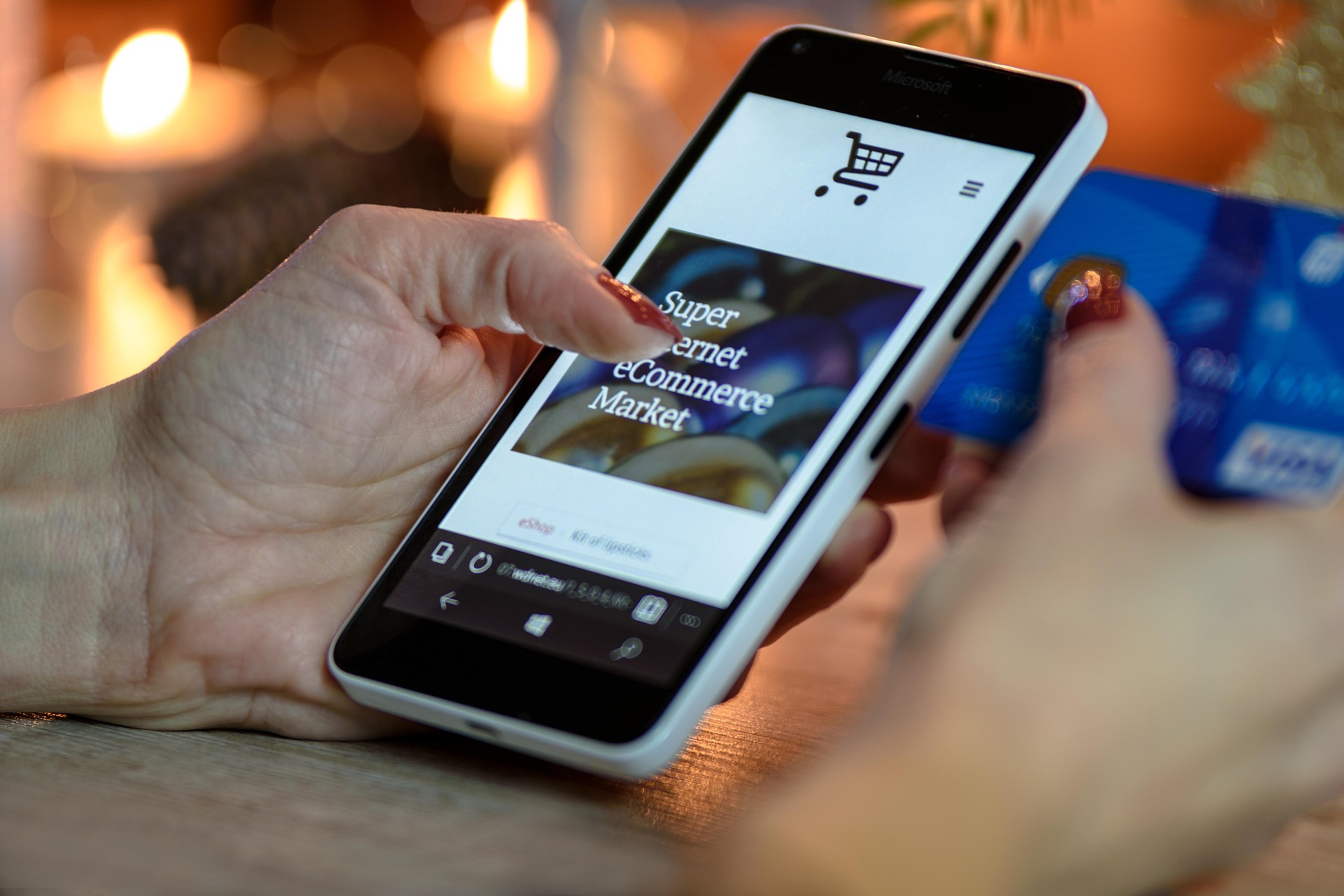
Today, many people prefer and find it much more convenient to pay digitally rather than with cash, but still there are those who don’t really like it and would rather pay physically than digitally. This is due to various misconceptions that have appeared regarding digital payments. But what are these misconceptions and are they really just misconceptions or is there some truth in them?
“Digital payments are not secure”
We often hear news or see articles with headlines about identity theft, hacked web shops, spam and phishing attacks, so it is not surprising that people are a little skeptical about digital payments and conclude that they are risky. But the reality is that digital systems use encryption, tokenization and two-factor authentication for security and data protection, and when we talk about security and protection, it is worth noting that credit and debit cards have protection against unauthorized transactions, which means that if someone tries to use someone else’s data or money, most banks refund the funds. In addition, mobile wallets like Apple or Google pay use unique digital codes for each transaction, which means that users should still use strong passwords and avoid sharing PINs or login details with anyone.
“Digital payments are too expensive”
Many entrepreneurs believe that transaction fees are too high, especially for small businesses. This is where the misconception that digital payments are too expensive comes from. But in reality, fees are getting lower and more flexible, many systems offer flexible, volume-based pricing models and switching to contactless payments almost always results in greater efficiency and lower operating costs.
Do you always need to have internet for digital payments?
In fact, some cards and mobile wallets have an offline payment option up to a certain limit, after which the transaction is processed and synchronized. For example, contactless payments with a mobile phone or card (NFC payment) often work without internet. So you don’t always need an internet connection for digital payments.
How to track digital payments?
People often fear that they won’t be able to track their expenses if they don’t physically see the money, but this is actually not the case. Most applications provide notifications about each transaction, and offer graphs of spending by category (food, transport, entertainment). You can also set up monthly budgets and alerts. This makes it easier to control expenses because all data is automatically recorded.
“I will violate my privacy if I start using digital payments”
This is a common concern, especially among slightly older population because they are constantly afraid that someone is following them. In fact, in the EU, systems are regulated by the GDPR, which protects privacy. The data used is primarily for transaction verification, fraud prevention, and spending analytics within the app, and for additional peace of mind, you can check and adjust privacy settings in the application.
Fear of overspending
Today, more and more people think that they will spend much more money with digital payments than when paying with cash. It is true that this can happen, but because apps offer features such as monthly budgets and spending alerts, this effect can be reduced—or even reversed. This procedure can neutralize this effect or even achieve a better effect.
“It’s complicated and difficult”
This misconception stems from the idea that technology is only for the young or those with IT education, but that’s not true. Today’s new technologies offer simple approaches and instructions to suit entrepreneurs who are IT educated, but also those who are not.
Also, there are companies that today are willing to help you with these kinds of changes, and they can help you with consulting, choosing the optimal solution, setting up the system, and educating employees. With this kind of help, the transition is quick, easy, and simple.
“I can only make purchases in stores with digital payments”
People associate digital payments exclusively or most often with stores or online shopping, which is why this misconception occurs. In fact, digital payments can also be used to pay bills, withdraw cash from an ATMs (using a card or QR code), send money to others, and even save money within the app.
In conclusion, digital payments are not as scary and dangerous as they may seem at first, but of course, as in everything, a dose of caution should be applied, and for all your questions or support you may need in this area, you can contact us via the contacts found on the Utiliter website. Our technology provides businesses with simplified payment processing, complete control over transactions and the elimination of risks that come with handling cash.

